
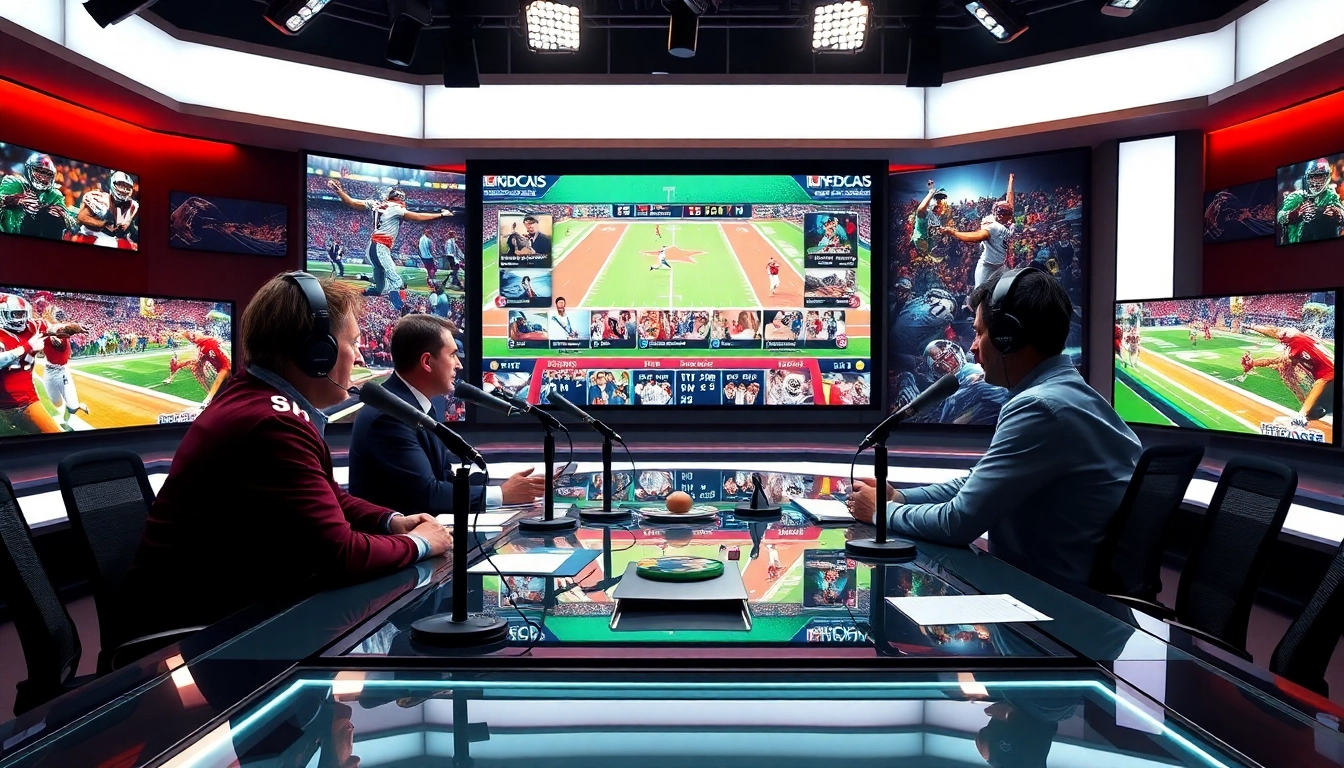
Understanding the Foundation of Sports Broadcasting
What is Sports Broadcasting?
Sports Broadcasting is the dissemination of sports-related content through various platforms, including television, radio, and digital channels. It serves as a medium for sharing live events, results, commentary, and analytical discussions. Today, the landscape of Sports Broadcasting has evolved to encompass a multitude of formats, catering to an increasingly diverse audience. As fans demand more immersive viewing experiences, the industry is continually adapting to meet these needs, leading to innovations that reshape how sports content is presented and consumed. To explore more about the dynamics within this field, you can refer to Sports Broadcasting.
History and Evolution of Sports Broadcasting
The origins of Sports Broadcasting can be traced back to the early 20th century when radio became a popular medium. The first notable broadcast took place in 1921, covering a boxing match. As technologies advanced, television emerged in the 1950s, transforming the way audiences engaged with sports. Major events like the Olympics and the Super Bowl garnered unprecedented viewership, solidifying the importance of broadcasting in sports culture. The 2000s saw the introduction of satellite and digital broadcasting, leading to increased accessibility and global reach. Presently, Sports Broadcasting is at the forefront of blending traditional methods with innovative digital strategies, allowing fans to enjoy sports on-demand and on various devices.
The Role of Technology in Sports Broadcasting
Technology plays a crucial role in shaping the Sports Broadcasting landscape. High-definition video, instant replays, and diverse camera angles enhance viewer engagement during live events. The integration of augmented reality (AR) and virtual reality (VR) provides audiences with immersive experiences, allowing them to feel as if they are part of the action. Additionally, data analytics technology is transforming broadcasts, offering viewers real-time statistics and insights that deepen their understanding of the game. Furthermore, advancements in streaming technology and internet connectivity have paved the way for multi-platform access, making it easier for fans to tune in from anywhere in the world.
Types of Sports Broadcasting Formats
Live vs. Pre-Recorded Sports Broadcasting
Sports broadcasting can be categorized into live and pre-recorded formats, each offering distinct advantages. Live broadcasting allows audiences to experience the excitement of events as they happen, fostering a sense of immediacy and communal viewing. This format is especially vital for high-stakes games where every second counts. Contrarily, pre-recorded broadcasts provide opportunities for editing, enhancing storytelling, and delivering polished content that highlights key moments. Both formats have their place, and the choice often depends on the type of sport and audience preferences.
Radio and Television Sports Broadcasting
Radio and television remain traditional but vital formats in the realm of Sports Broadcasting. Radio broadcasts excel in delivering live commentary and engaging narratives, making them a favored option for listeners on-the-go. This format allows for a personal connection between commentators and audiences, creating enthusiastic followings. Meanwhile, television provides visual stimulation that enhances viewer experience through graphics, replay functions, and interactive elements, making it the go-to medium for immersive sports viewing.
Digital Sports Broadcasting Trends
The advent of the internet has reshaped Sports Broadcasting, giving rise to streaming services and social media platforms as dominant players. Platforms like YouTube and Twitch are gaining traction for broadcasting live events and engaging with fans through interactive features. Moreover, on-demand services enable audiences to watch highlights, interviews, and analysis at their convenience. Social media amplifies these experiences by allowing instant sharing and engagement, creating a multi-dimensional platform for sports content. These trends suggest a shift from traditional broadcasting methods toward more flexible, interactive approaches that resonate with today’s tech-savvy audiences.
Key Players in the Sports Broadcasting Industry
Major Networks and Their Influence
Major networks have long dominated the Sports Broadcasting landscape, shaping how content is consumed and influencing viewer accessibility. Networks invest significantly in rights management and programming to secure broadcasting rights for key sporting events. This investment helps cultivate a loyal audience base, leading to sponsorship opportunities and advertising revenue. Their role extends beyond broadcasting; they are pivotal in setting production standards and leveraging analytics to deliver compelling content tailored to viewer preferences.
The Impact of Streaming Services on Sports Broadcasting
Streaming services are revolutionizing the Sports Broadcasting industry by offering flexible viewing options and catering to niche audiences. They provide a platform for broadcasting lesser-known sports and events, often overlooked by major networks. The rise of subscription-based models allows consumers to pick and choose content that suits their interests. This democratization of sports broadcasting encourages competition, pushing networks to innovate to retain viewers. As a result, streaming platforms are becoming essential players, influencing viewing habits and changing the overall dynamics of sports consumption.
Independent Broadcasters and Content Creators
Independent broadcasters and content creators play an increasingly significant role in the Sports Broadcasting ecosystem. They often deliver unique perspectives and focus on underrepresented sports, catering to specific audiences. With the rise of digital platforms, independent creators can build dedicated followings and monetize their content through various channels. This shift fosters a diverse media landscape where fans can access a wide array of viewpoints, enriching the overall sports narrative and providing platforms for both established and emerging talent.
Challenges and Opportunities in Sports Broadcasting
Licensing and Rights Management
One of the primary challenges faced by the Sports Broadcasting industry is navigating licensing and rights management. Securing broadcasting rights can be a complex and costly process, particularly for major sporting events. Additionally, the emergence of global media rights deals complicates matters further. Broadcasters must balance profitability with access, ensuring that content remains available to diverse audiences. However, this challenge also presents opportunities for innovative distribution strategies that emphasize partnerships and collaborations, expanding reach while managing costs.
Adapting to Consumer Preferences
As consumer preferences continue to evolve, broadcasters must stay agile and responsive. Today’s audiences seek personalized, interactive experiences, and this demand pushes broadcasters to adopt more innovative storytelling methods. Customizable viewing experiences, such as multi-camera streams or enhanced statistics, can attract viewers. Furthermore, understanding demographics and engaging younger audiences through social media and digital platforms is essential. This adaptation not only secures viewer loyalty but also opens doors for new sponsorship opportunities.
Innovations Shaping the Future of Sports Broadcasting
Innovations are at the core of transforming Sports Broadcasting. The incorporation of artificial intelligence (AI) for content generation, real-time analytics, and automated highlights is changing the landscape dramatically. Furthermore, blockchain technology promises to redefine ownership and rights management, providing secure, immutable records for transactions. Additionally, innovations like 5G technology are set to enhance live streaming quality, further engaging viewers worldwide. Embracing these technologies not only improves content quality but also positions broadcasters at the forefront of a competitive industry landscape.
Measuring Success in Sports Broadcasting
Performance Metrics and Analytics
Performance metrics are crucial for assessing the effectiveness of sports broadcasts. Key performance indicators (KPIs) such as viewership numbers, audience reach, and engagement durations provide insights into consumer behavior and preferences. Analyzing these metrics allows broadcasters to refine their strategies and tailor content that resonates with audiences. Furthermore, tools such as sentiment analysis and social media engagement metrics give broadcasters a deeper understanding of viewer reactions, facilitating ongoing improvements in broadcast quality and content delivery.
The Importance of Viewer Engagement
Viewer engagement is paramount in the success of Sports Broadcasting. Engaged viewers are more likely to return, creating a sustainable audience base. Techniques such as interactive polls, social media integration, and viewer participation in discussions foster a robust community around broadcasts. Understanding and prioritizing viewer engagement not only enhances the audience’s experience but also encourages brand loyalty and increased sponsorship opportunities.
Future Trends in Sports Broadcasting Metrics
Future trends in measuring success in Sports Broadcasting will likely focus on more nuanced analytics that go beyond traditional metrics. The integration of machine learning algorithms to predict viewer behaviors and preferences will enable broadcasters to create personalized content offerings. Additionally, the shift towards long-term viewer relationships will promote metrics that capture audience sentiment and loyalty rather than merely short-term viewership spikes. This comprehensive approach to measurement stands to empower broadcasters with actionable insights and foster a deeper connection with their audience.
Frequently Asked Questions
What is the primary function of Sports Broadcasting?
The primary function of Sports Broadcasting is to deliver live events, highlights, commentary, and analysis to audiences through various channels, including TV, radio, and digital platforms.
How has technology influenced Sports Broadcasting?
Technology has transformed Sports Broadcasting by providing high-definition visuals, instant replays, multi-platform access, and innovative viewer engagement tools, creating immersive viewing experiences.
What are the differences between live and pre-recorded broadcasts?
Live broadcasts offer real-time coverage that captures the excitement of the moment, while pre-recorded broadcasts allow for editing and better storytelling by highlighting essential moments.
What challenges does the Sports Broadcasting industry face?
The Sports Broadcasting industry faces challenges related to licensing, evolving consumer preferences, and competition from emerging platforms and technologies that require adaptability.
How is viewer engagement measured in Sports Broadcasting?
Viewer engagement is measured using metrics like viewership numbers, duration, social media interactions, and audience sentiment, guiding content strategies and improving broadcast quality.